Hiking Vector Graphic T Shirt Design: Trail-Ready Creativity
Unpacking the Design: More Than Just a Graphic
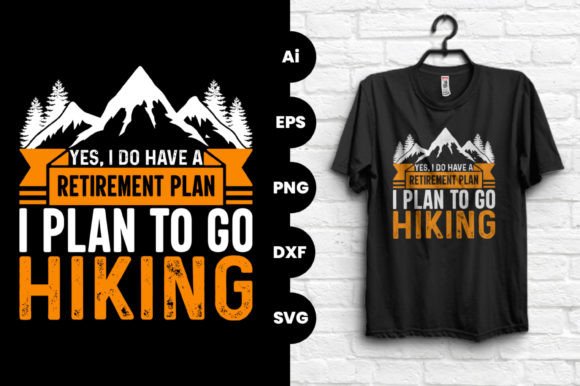
When you first encounter the Hiking Vector Graphic T Shirt Design, it’s immediately clear this isn’t a generic clipart mountain. It’s a cohesive visual story. The design typically features clean, scalable lines forming a mountain range, often integrated with elements like pine trees, a rising or setting sun, a winding trail, or hiking gear like a backpack and boots. The personality is one of adventure, endurance, and a deep appreciation for the outdoors. It’s modern yet timeless, balancing bold simplicity with enough detail to feel authentic. This isn't just a picture of a mountain; it's a symbol of the hiking ethos—the journey, the challenge, and the reward of the summit view. The vector format is its superpower, ensuring every line stays crisp whether it's on a small chest logo or a full back print.
Where This Design Truly Shines: From Apparel to Brand Identity
The true value of a design asset like this lies in its versatility. While the name suggests a t-shirt, its applications extend far beyond apparel. Think of it as a foundational piece of visual language for any brand or project connected to nature, fitness, travel, or personal growth.
For the Apparel Entrepreneur: This is your cornerstone design. It’s perfect for creating a signature piece for an outdoor clothing line, a local hiking club’s merchandise, or a souvenir shop in a mountain town. The print-ready files, including the high-resolution transparent PNG, mean you can send it straight to a printer or use it in a print-on-demand service without cleanup. The 4500x5400 pixel PNG is large enough for all-over prints or detailed poster reproductions.
For the Brand Strategist and Marketer: Incorporate this vector graphic into your brand identity. It can be adapted as a logo element for a travel blog, a fitness app, or a sustainable outdoor gear company. Use it in social media graphics to create a consistent, adventurous aesthetic. The clean lines make it ideal for packaging design on products like trail mix, energy bars, or camping equipment, instantly communicating the product’s context.
For the Crafter and Hobbyist: The included DXF and SVG files open up a world of physical creation. Use them with a cutting machine to create vinyl decals for water bottles, car windows, or laptop skins. The design is perfect for card making, scrapbooking, or even creating custom stencils for painting on wood or fabric. The scalability means you can make it as small as a patch or as large as a wall mural without losing quality.
For the Content Creator and Publisher: Integrate the graphic into editorial design for magazine layouts, blog headers, or e-book covers focused on outdoor topics. It adds immediate visual context and professionalism. In web design, it can serve as a hero image, an icon set, or a background pattern, enhancing user experience and thematic consistency.
Making the Design Work for You: Practical Application Tips
Simply having a great file isn't enough. How you use it determines its impact. Here’s how to approach it like a professional.
Evaluate the Project Fit: Before you start, consider the design’s personality. Its rugged, outdoorsy feel is perfect for brands targeting hikers, campers, and nature lovers. It might not be the right fit for a luxury jewelry line or a corporate law firm, but it’s ideal for a craft brewery, a yoga retreat, or a sustainable clothing brand. Ask yourself: does this visual align with my audience's values and aspirations?
Consider Color and Context: The vector format allows for easy color changes. Test different palettes. A monochrome black or white version offers sleek versatility for logo design or minimalist apparel. Earthy tones—forest greens, slate grays, sunrise oranges—feel authentic. Bold, unexpected colors can make it pop for a younger, streetwear-inspired audience. Always test the design on your actual product mockups to see how the colors interact with the material.
Font Pairing and Hierarchy: If you're adding text, your choice of typeface will dramatically influence the final feel. A rugged serif font or a sturdy sans serif font can complement the design’s strength for headings. For a tagline or secondary text, a clean sans-serif maintains readability. Avoid overly decorative script fonts or handwritten fonts that might clash with the graphic's clean lines unless used very sparingly for a specific accent. The goal is visual hierarchy, where the graphic and text work together without competing.
Leverage the File Formats: Don’t just use the PNG. The AI and EPS files are editable in vector software like Adobe Illustrator. This allows you to customize the design—change colors, remove elements, combine it with other graphics, or adjust proportions to fit your specific layout perfectly. This level of customization is what separates a unique product from one using a generic template.
Think About the Medium: A design that looks great on a cotton t-shirt might need adjustments for embroidery or screen printing with limited colors. The high-resolution PNG is perfect for direct-to-garment (DTG) printing. For vinyl cutting, the DXF or SVG files are essential. Always communicate with your printer or manufacturer about the best file format for their process.
Ultimately, the Hiking Vector Graphic T Shirt Design is more than a design asset; it’s a starting point. Its value multiplies when you integrate it thoughtfully into your projects, ensuring it resonates with your audience and strengthens your visual message. Whether you’re building a brand identity, launching a product line, or creating personal crafts, this versatile graphic provides a professional, scalable foundation to build upon. Use it to tell a story of adventure that your audience can see, wear, and connect with.